
Best U5–U8 Soccer Drills (That Actually Work)
The Real Goal of Coaching U5-U8 Soccer Drills
I have been coaching youth soccer for many years, but this year I got a group of 5 years old kids for the first time. Let me share with you all the things you need to know when coaching them. As always, I will share these u5-u8 soccer drills that worked for me. But also, I will talk a bit about the approach to take with the players at this age, such as tricks to get them organized and attentive, while also engaged in soccer activities.
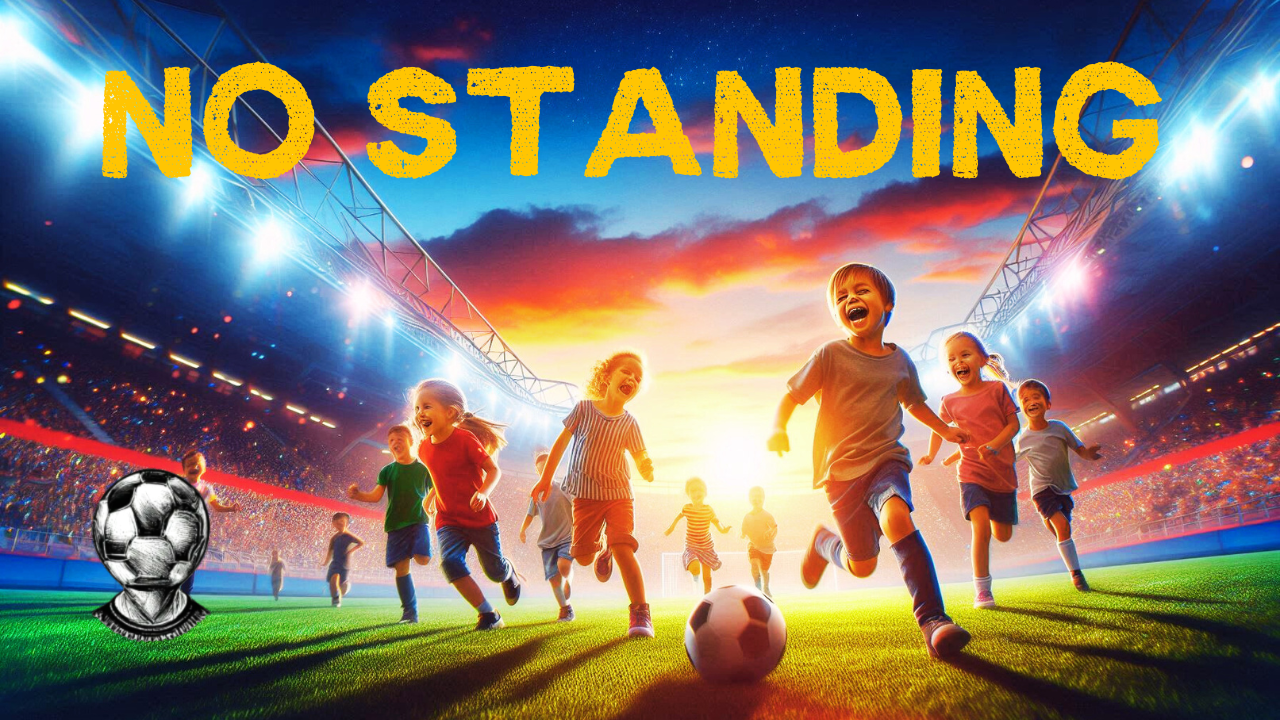
Let’s define the goal – at U5, U6, U7 and U8, remember one simple objective: it’s not about getting their attention to do as you say – it’s about getting them to do soccer things. At this age, most kids won’t “learn” from your explanations. They’ll learn from doing. Your job isn’t to make them listen perfectly — it’s to make sure they’re moving, touching the ball, and having fun doing soccer-related actions. Even if they ignore you half the time, if they dribble, shoot, chase, and play, they’re developing the foundation they need for later years.
Attention Span Limit
The challenge for you is to convey whatever message in 10 or 15 seconds max. If you can’t, then either simplify the drill or the concept, or practice giving instructions in 10 seconds outside of practice. I do have some tricks for keeping attention, which can be a struggle for even 10 to 15 seconds – I share them at the end of the video. For most of the players, you are the first and potentially only window into the soccer world. So, in a way they equate you with soccer. You can make them fall in love with soccer or make them hate it. So keep that in mind as we go through these drills — they’re all about doing soccer things, not doing other things and not just standing and talking about soccer things.
No-Opponent U5-U8 Soccer Drills
The first group of drills is no-opponent drills. The gap between the players is likely very large as the only thing common for them is the area whey they live and roughly the age. So some naturally athletic kid that played for 6 months, will look miles ahead of another kid who never played soccer. For this, here are several drills where every kid has a ball and is taking time to get familiarized with it during practice. At this age, make a story out of it, to make it more fun for the kids.
1. Gates Dribbling
Set up small gates all around the field — two cones about a yard apart. Players need to dribble through as many gates as they can in a set time. It sounds easy, but for beginners, even keeping the ball close enough to get through a gate is a challenge. This develops basic dribbling control, awareness, and soft touches — in a way that feels like a game.
2. Volcanoes
Cones are volcanoes, and players need to stop the lava by placing their ball on top of the cone. You need those cones where the top is cut. This is great for teaching ball control and familiarity. It’s not intense — kids love it because it feels like a game, not a drill. Perfect for warming up or resetting focus if they start getting tired or distracted. They will roll the ball a bit, as well as slow down before a cone. If they don’t like this game within few weeks, it means they experienced enough of competition, and find that to be the exciting part of the game.
3. Follow the Leader
Make a large square — maybe around the size of the penalty box. One player is the leader, and everyone else follows. Start without a ball so they learn spacing and movement, then add the ball and make it a dribbling game. The goal is for them to control the ball while keeping pace with the leader. You can switch leaders often to keep everyone involved and active.
4. River of Cones
Set up a “river” — a path of cones with a clear dribbling lane between them. Players dribble through the river, staying inside the boundaries. Later, you can add “rocks” or “obstacles” (extra cones) they must avoid. At the end, add a small goal — they dribble, avoid cones, and shoot.
This combines coordination, control, and finishing — three soccer actions in one sequence.
5. Dribble and Do a Trick
This one builds skill and quick reactions. While everyone’s dribbling around, yell out a command. At the first practice, start simple — “Stop the ball”, or “Switch feet!” Next time, add a trick: “Pull back!” or “Pull-push!” Each week, introduce one new move. It keeps them challenged and gives structure to their development — but it’s still fun and reactive.
U5-U8 Soccer Drills with Opponents
Let’s now talk about drills with opponents. For older players I almost exclusively do drills with opponents, although they don’t have to be even sides. As you can see on the channel, there are lots of rondos, passing or possession games where one team has more players. This method of teaching is also called scaffolding, where you are creating the environment to make certain aspect easier until the players are proficient enough to increase the challenge to a level closer to the real game.
6. Races with the ball!
There is no defense in these drills and they are perfect transitions between the no-opponent and the opponent games. Kids love to race, especially at this age. They know that instinctively, unlike soccer that is still a more structured and unfamiliar to them. You can simply have races around a cone, then both players shoot on a goal. The objective is to score the goal first. You can control a lot in this races, where just one change, such as position of the goals, the cones or the starting point, can change the challenge. They might need to practice a pull back or a change in direction, as the most optimal move.
7. 1v1 or 2v2 Mini Games
I will not go through a practice without 1v1 or 2v2 games. Make sure both sides have a fair chance to score, and adjust the size of the field or goals if one side is dominating. You want every kid to feel like a winner, even if the score doesn’t say it. This teaches competitiveness, direction, and the joy of scoring goals — all without needing to explain tactics or positioning. I sometimes add something special that I want to coach – for example, I roll the ball to them, so they practice receiving.
Here is what I did at one of the last practices – they need to receive the ball and go sideways to one of the goals while the defender is challenging them. It’s something that I’ve seen they struggle in a game with receiving a loose ball, so I integrated it into a drill without them even really knowing.
8. River with Sharks
This is their first taste of passing. Don’t do this at the first practice if they are new players – I tried it, and it didn’t work. They need a bit of ball control. Set three zones, where the middle is called the river, with one group is on each side. Players must pass the ball across the river without letting the shark — that’s you — intercept it. Kids love it because it’s a challenge. You can start easy and make it harder over time — move the shark, add more players as the sharks, or make the passes longer.
9. Bring the Ball Back
Scatter balls around the field — far away from the goal. Tell them they have to “rescue” the balls, bring them back, and shoot to score. At first, everyone has a ball. Later, have fewer balls than players so they have to race and compete to get one. It’s simple, but it builds ball control, direction, and the idea of attacking a goal — all while feeling like a mission. Similarly to some of the other drills, I modify this drill be me kicking the ball towards them to receive it. They simply don’t practice receiving that much at this age, and they struggle in games by kicking it blindly. So I create the situation to train that at practice.
Attention & Coaching Tricks
Now, no matter how good your drills are, there will be moments when things get chaotic.
Here are a few coaching hacks to help keep control — without shouting. I have learned them through the years by observing other coaches and seeing what works and what doesn’t. Obviously, I am sharing the ones most appropriate for the youngest players here.
A. The Countdown Rule
When you need everyone’s attention, start counting down from 5. Kids love racing against the clock and with each other. They’ll rush to finish and gather up before you hit “1.”
B. The 10-Second Rule
When you say “10 seconds,” it tells players that you’ll only talk for 10 seconds — and they can focus that long. It forces you to be concise, and them to listen. If you can’t explain it in 10 seconds, simplify the drill. And make sure you don’t get carried away because they gave you the attention – don’t break your promise.
C. The Runaway Trick
If things are getting silly and players stop listening, don’t yell — just start running. Sprint 10 or 15 yards away and shout, “Race me!” or “who can catch me?”. They’ll instantly chase you. Once you’ve got their attention back, reset the group and move on. You can also find a reference point, so instead of chasing you, the challenge can be to race around the goal, or race to the other goal where they will get the next instruction.
These tricks reset their energy, break the chaos, and get you back to doing soccer things.
Conclusion
At the U5–U8 level, remember — it’s not about running the perfect session or teaching tactics.
It’s about giving kids as many touches and moments of joy with the ball as possible. If they’re laughing, running, and kicking the ball — that’s success. Because before they can learn soccer, they have to love soccer.